
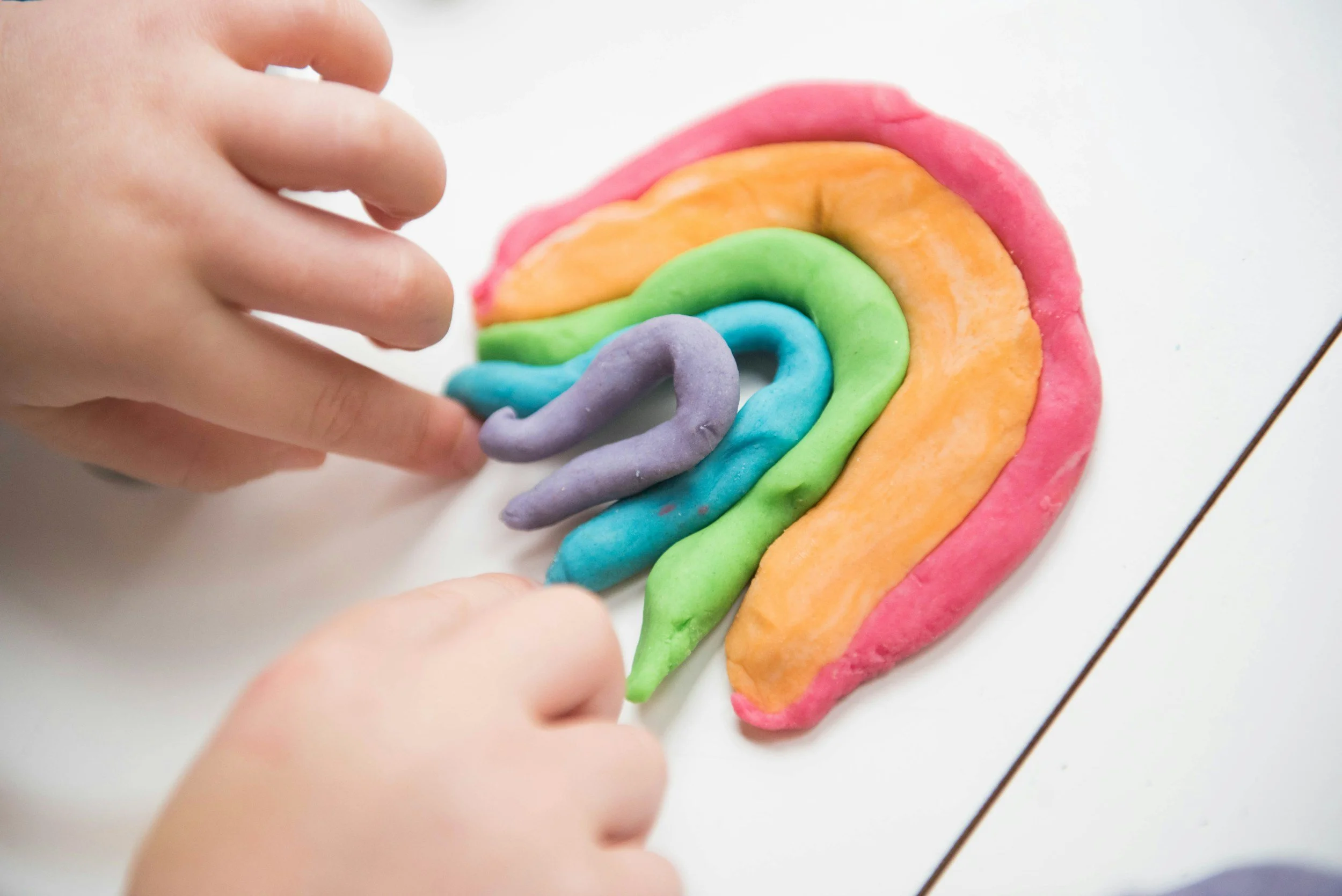
Why Play Therapy?
Play Matters
Children communicate differently than adults. While adults are often able to talk about their thoughts and feelings, children naturally express themselves through actions and play.
Through toys, art, games and imaginative play, children show you how they think, feel and experience the world. Play therapy allows children to explore and work through challenges in a way that feels natural, safe and developmentally appropriate.
Play therapy is well-established research-supported approach that has been used for decades to support children’s emotional and behavioral growth. Rooted in developmental and psychological theory, play therapy has been shown to be effective in helping children work through challenges such as emotional regulation, anxiety, behavioral concerns and life transitions.
What children gain from play therapy
Through the therapeutic relationship and the process of play, children may learn to:
Better understand and accept their feelings
Express emtoions in more apporpriate and maneagable ways
Develop self-control and emotional regulation
Practice responsible decision-making
Build problem-solving and coping skills
Increase confidence and self-esteem
While play therapy may look simple on the surface, meaning emotional work is happening beneath the play. Over time, many parents notice changes such as improved emotional regulation, increased confidence, and more positive behavior at home or school.
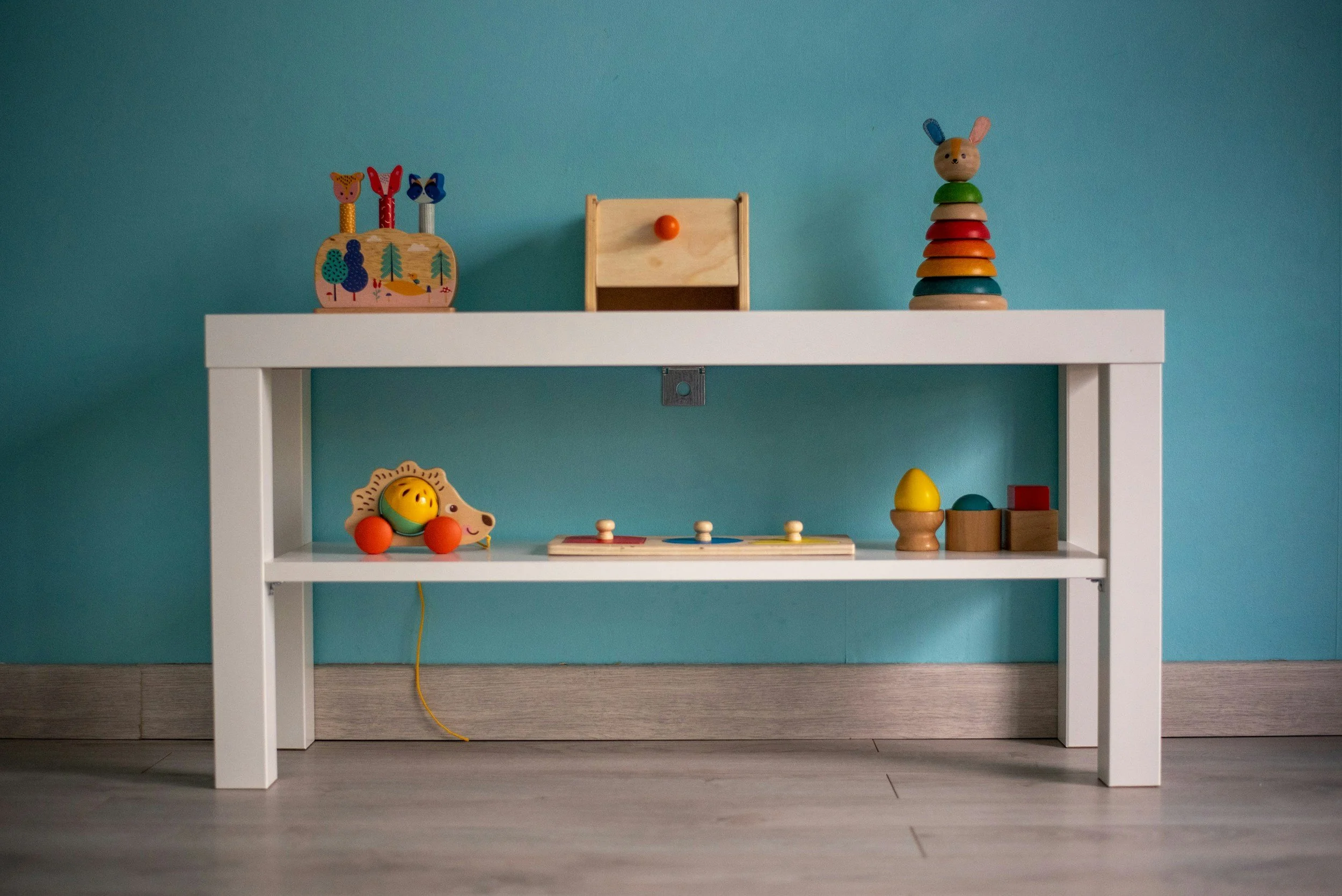
“Birds fly. Fish Swim. Children Play”
-Gary Landreth, pioneer of Child-Centered Play Therapy
My approach
There are many supportive models that exist to support children in therapy. My approach draws from the Child-Centered Play Therapy (CCPT) model- this models allows your child to gain many benefits.
supports development
Children do not want to live in dysregulation. They often know when they are dysregulation but because they are heavily right-brain beings, CCPT allows them to communicate with their natural language while supporting brain development with a trained therapist reflecting in a supportive environment.
unique environment
All people need a safe environment before they fully process emotions- especially children. The CCPT model emphasizes on the relationship between the child and the therapist. The therapist consistently provide acceptance, reflections of emotions and setting limits to provide the space a child needs to process through play.
backed up by research
CCPT is an evidence-based intervention effective for children as young as 3 years old. Research supports that through CCPT children can have improvement in emotional, behavioral and social functioning. CCPT has been found to increase self-esteem, process trauma and stress (big life events).
Is my child too old for Play Therapy?
Although your child may have outgrown traditional pretend play, Child-Centered Play Therapy (CCPT) can still be highly effective for older children and adolescents. As children develop, the way they engage in the playroom naturally changes, but the core principles of CCPT remain the same. The therapist continues to provide an accepting, empathic, and nonjudgmental relationship while allowing your child to lead the therapeutic process.
Every item in the playroom has been intentionally selected to support children across a range of developmental stages. They may choose art materials, building activities, sand tray, games, fidget tools, music, or other expressive materials. These activities are not simply ways to pass the time—they provide meaningful opportunities for self-expression, emotional processing, problem-solving, and connection.
Research in neuroscience suggests that learning and emotional processing are enhanced when multiple areas of the brain are engaged simultaneously. Activities that involve movement, creativity, sensory experiences, and problem-solving encourage, fires multiple areas of the brain, supporting greater integration of thoughts, emotions, and behaviors. As children mature, many are still learning to identify, organize, and communicate their internal experiences. Engaging in expressive activities while in the presence of a safe, attuned therapist often makes these conversations feel less intimidating and more natural.